Accessibility Matters
1. Why Accessibility Matters
Over 1 billion people worldwide live with some form of disability. Accessible design allows more people to use digital tools, websites, and apps without barriers.
2. Screen Readers
Screen readers allow blind and visually impaired users to navigate websites. Clear labels and alt text dramatically improve usability. Audio feedback allows users to understand digital content through sound rather than visuals.
3. Accessibility Statistics
| Statistic | Why It Matters |
|---|---|
| 1.3+ Billion people | About 16% of the global population lives with a disability. |
| 96% of websites | Contain accessibility issues that make them difficult for disabled users. |
| 71% of users | With disabilities leave websites that are difficult to navigate. |
| 80% of videos | On social media are watched without sound, making captions important. |
| 8% of men | Have color vision deficiency, affecting color-based design. |
4. Inclusive Design
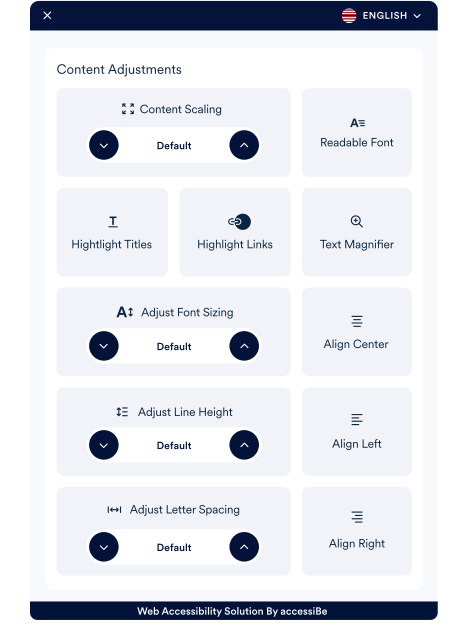
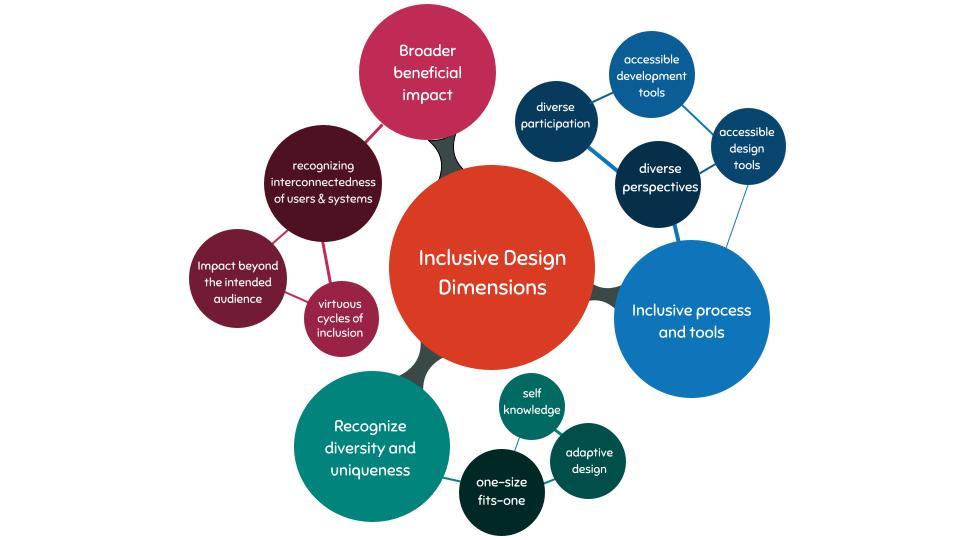
When designers build accessible products, they improve usability for everyone. Features like captions, voice control, larger fonts, and keyboard navigation benefit a much broader audience than originally intended.
5. The Future
Accessibility is becoming a central principle in technology design. Inclusive interfaces lead to better products and a more equitable digital world where everyone can participate.